OPEN MATLAKUSA TENT

Create an elevated glamping stay that’s open, inviting, and made for connection

The Matlakusa Tent transforms a setting into a stay. Its shaded veranda welcomes guests to relax, linger with friends, or catch the first glow of dawn. Ideal for luxury glamping properties and Airbnb retreats, the tent is built with 4-season performance to handle changing conditions with ease.

Our tents are designed to thrive in any environment

Deserts

Mountains

Tropics & Beaches

Rainy Locations

Cold Climates

Windy Areas

Flexibility built into every Matlakusa tent layout

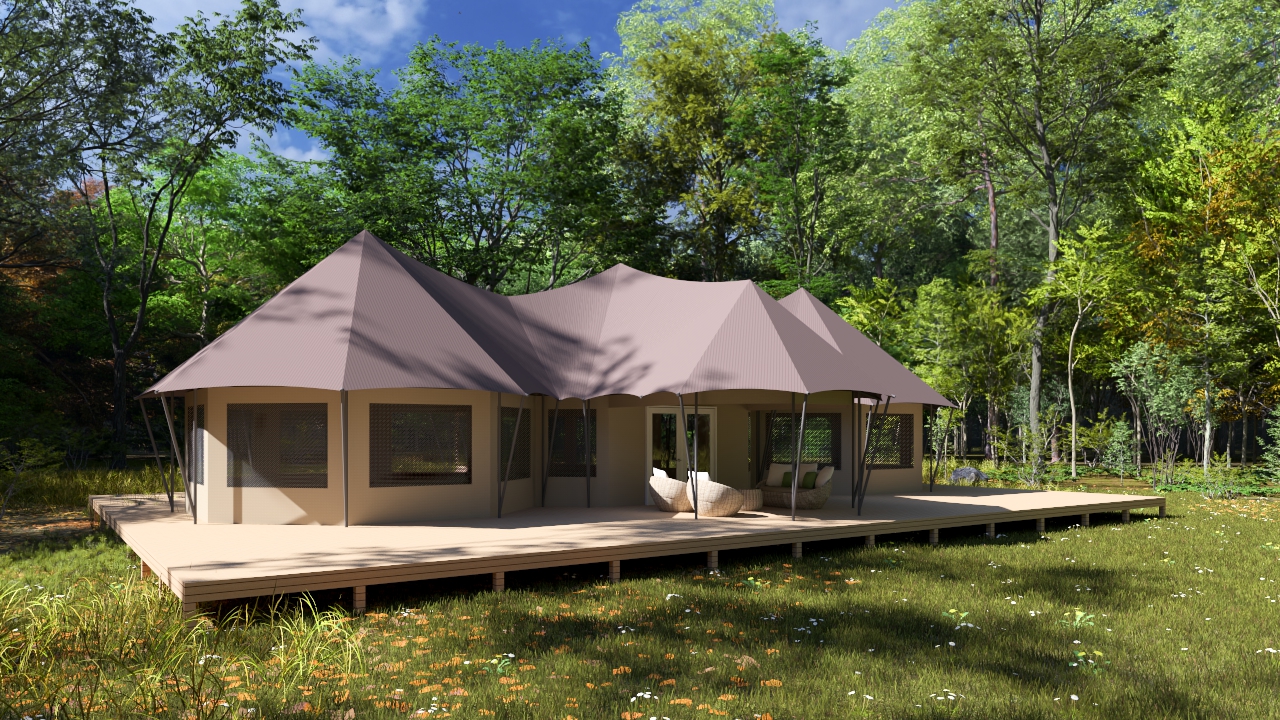
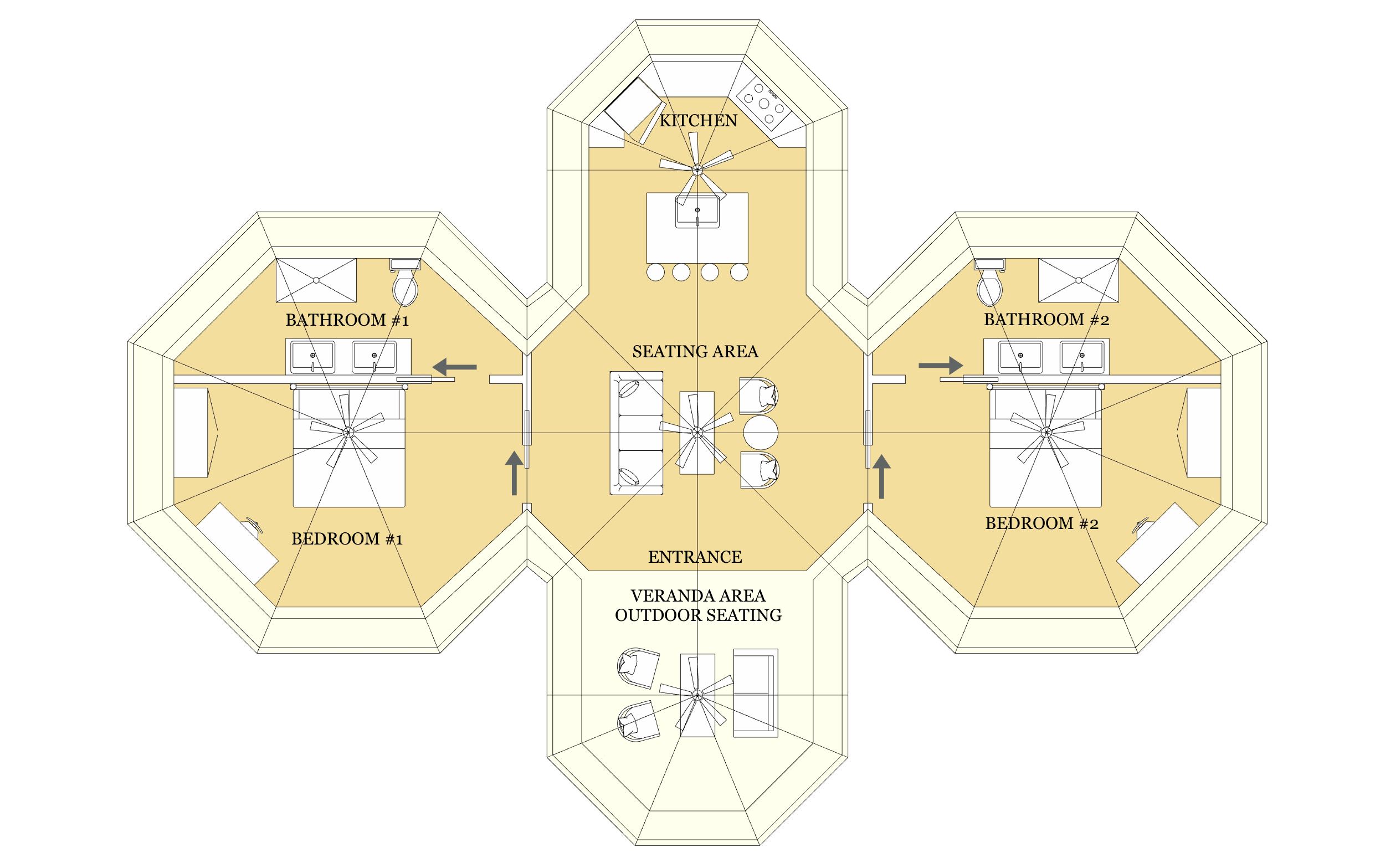
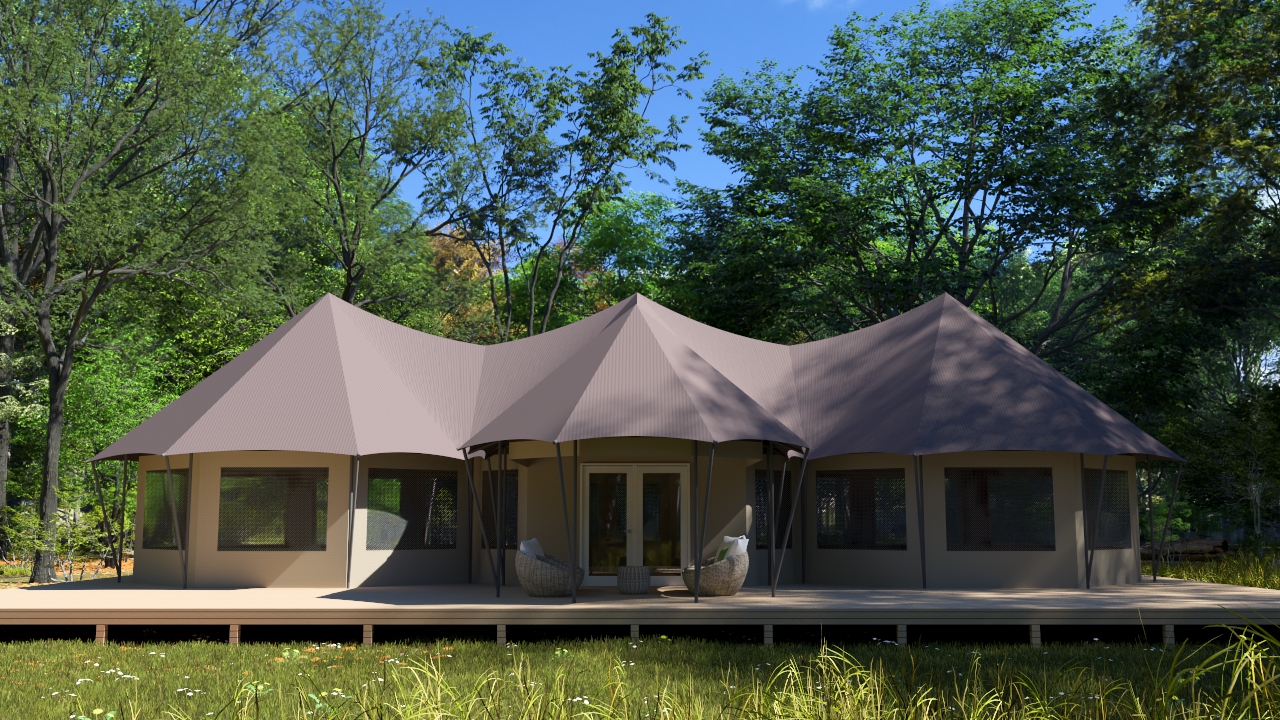
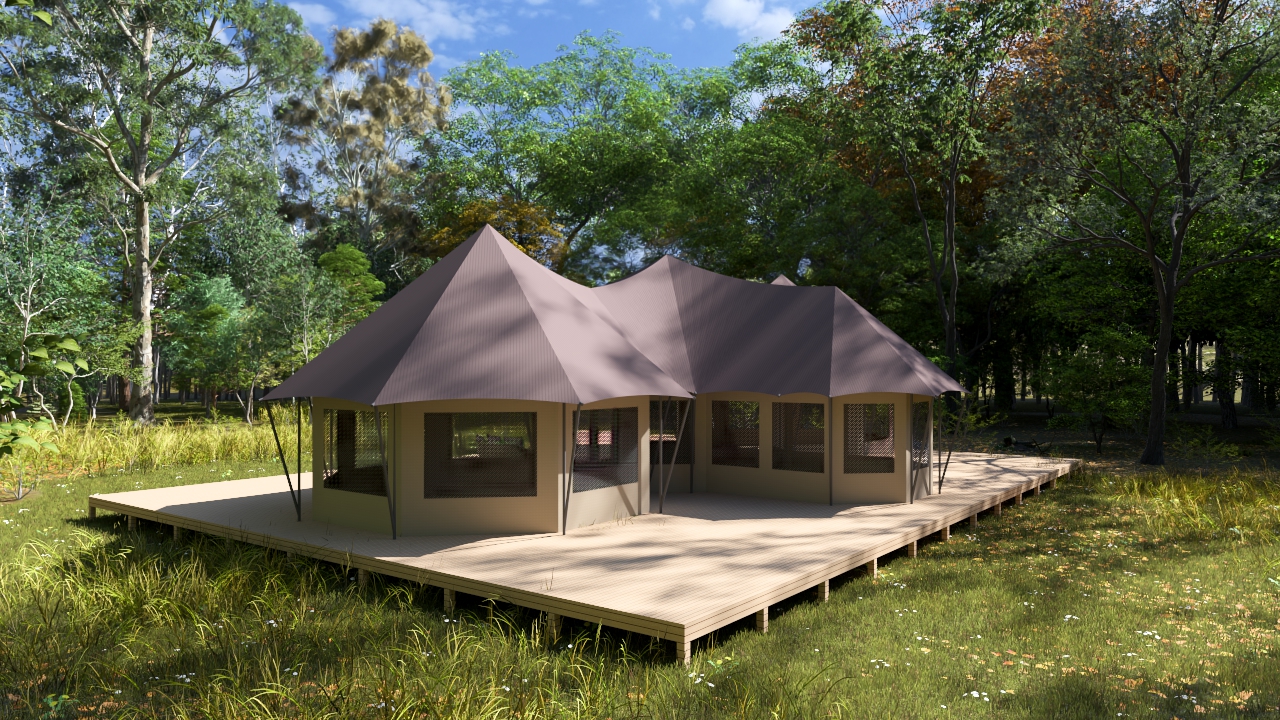
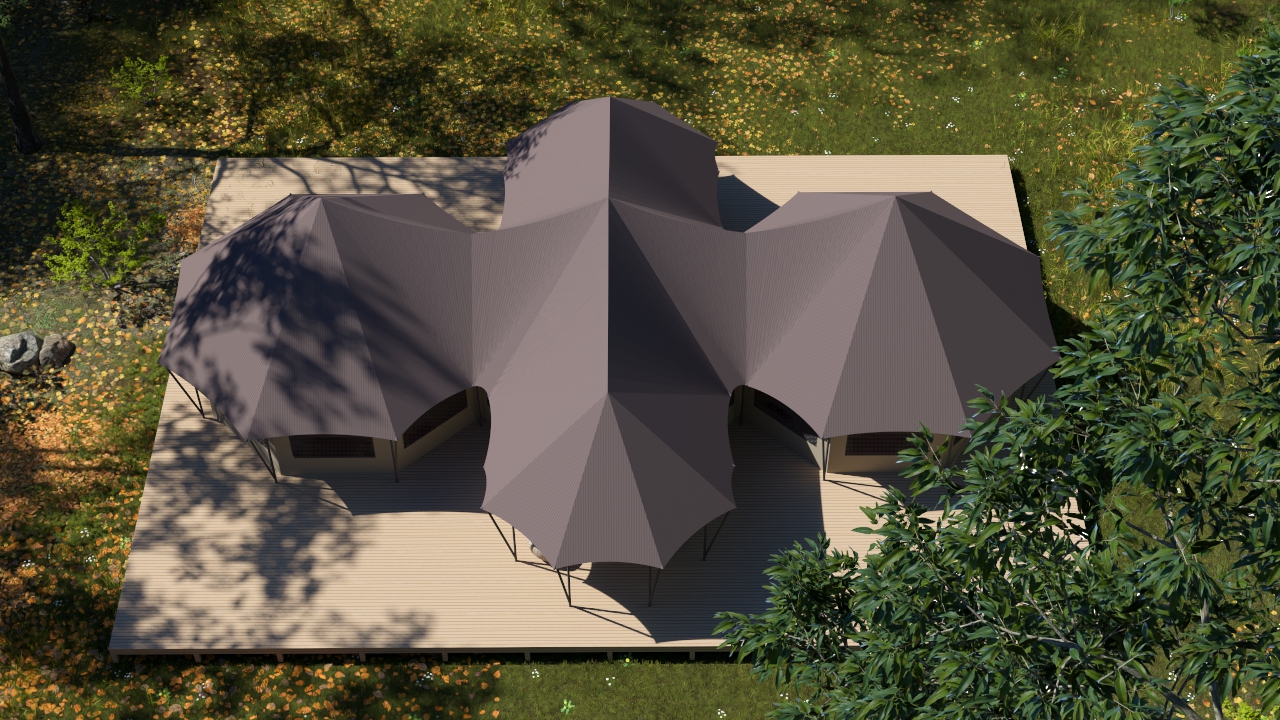
The Matlakusa is built for breathing room: 101 m² (1077 ft²) of interior space paired with a 19.7 m² (212 ft²) veranda that extends your living area outdoors. Set it up as a spacious getaway suite, a rental guests actually want to linger in, a light filled studio, or a simple weekend basecamp with room for everything. We can work with you on layout ideas and 2D floor plans so the space functions exactly the way you want.

Matlakusa Image Gallery

Matlakusa tent's open space, perfect for staying and hosting

Luxury glamping

Settle into comfort and style in our Matlakusa Tent, ideal for up to 8 guests. Enjoy cozy bedrooms, a relaxed sitting area, and a spacious veranda.

Private dining

Create an unforgettable dining experience for 10–14 guests with our elegant setup, complete with a dining table and a scenic veranda.

Intimate events

Host an intimate gathering for up to 16 seated or 28 standing guests, with chairs, tables, in an open space and a charming veranda included.

Customizable options

Make the Matlakusa tent yours with a range of upgrades and enhancements to match your needs, vibe, and style preferences.

Matlakusa tent specifications made for premium spacious outdoor living

Standard Features

  • Graphite screens, PVC overlays, zip-and-roll flaps with replaceable YKK zips
  • Ceiling fan/light mount at each apex + veranda mount
  • Ecru inner ceiling liner + window curtains

Premium Materials

  • 50 mm enamel-painted steel + outriggers, stainless steel roof tensioning, aluminum rails & body poles
  • 90%+ shade fly (Gore® Tenara® thread), 700 GSM anti-fungal PVC rain fly + veranda liner
  • Canvas Body: 550 GSM blockout ripstop, waterproof, UV-protected, anti-microbial

Available Upgrades

  • Canvas enhancements include fire-retardant, insulated canvas + storm flaps
  • 409 / 304 / 316 stainless steel, vertical steel legs, timber beams
  • Structural add-ons like high wind upgrade are available

Fill out the form to get a Matlakusa tent plan that fits your property

If you’re looking for a way to understand more about the Matlakusa tent, you can book a quick consult. The Matlakusa tent can be built to feel intentional. Tell us what you’re creating and we’ll come back with ideas that suit your site, your vibe, and how you want people to experience the space. Once you submit the form, we’ll take you through options you can act on straight away.

There’s no obligation to move forward; it’s completely your call.

Questions we often get asked about the Matlakusa tent

Can someone visit my site before I build the Matlakusa tent, and can I get help during setup?

Yes, both options are available. A pre-build site visit can help you avoid problems later. Someone can walk the property with you, look at the ground and slope, and talk through the best spot for the tent.

They can also help you think about sun direction, wind exposure, how water will drain, and how trucks or equipment will reach the site. This is useful if the land is uneven, hard to access, close to protected areas, or if you just want fewer surprises before you place an order.

When it’s time to install, there’s also a supervised setup option. That means someone can come to guide your crew through installing one tent model correctly, so your team can repeat the process with the rest.

A few notes matter here. You need to have your own tools on-site, like drills, ladders, and scaffolding. You also cover the supervisor’s travel, meals, local transport, and lodging. Setup days usually run about 8 to 10 hours, depending on the number of tents and how complex the design is.

Luxury glamping tents are built more like a structure than a basic camping tent. The “solid” feeling mostly comes from the frame, the canvas, and how those parts work together.

The frame is a big difference. A 50 mm steel roof frame gives more stability than common 38 mm frames. If the tent will stay up long-term or sit in a rough location, that extra thickness helps. In humid or coastal areas, there’s also an option to use stainless steel, which holds up better over time without corroding.

The fabric matters too. Treated polyester ripstop canvas is used instead of cotton. It’s stronger, it doesn’t stretch as easily, and a small tear is less likely to spread. It’s also built to resist UV, mold, and everyday wear.

For comfort, insulation can be stitched between two layers of canvas. That helps with temperature control and reduces outside noise, which makes the space feel more private and closer to a cabin.

Yes. One of the main benefits of luxury glamping tents is that the design doesn’t have to stay “standard.” You can adjust the size, layout, and appearance to fit your land and how you plan to use the space.

Sizing can be very small or very large. Tents can start around 130 square feet for things like a spa room or a quiet retreat space. They can also go past 10,000 square feet for larger uses like a restaurant, lodge, or multi-room suite. The limit depends on what you need.

If you’ve got a specific idea, you can bring sketches or a floor plan and build around that. That might include an open-air shower, a wraparound deck, more windows for natural light, or even a custom roof shape that fits your location.

Even when you begin with an existing design, you can still change the canvas color, frame finish, window placement, door style, and add features like overhangs or a front veranda. The end goal is a tent that fits your plan, not a one-size setup.

Yes, a level and sturdy platform matters a lot for luxury glamping tents. These aren’t meant to sit directly on grass like a quick camping tent. A raised wooden deck or a concrete slab gives the tent a stable base, protects the canvas, and can create space underneath for plumbing, electrical, and insulation if you add those features.

Placing the tent right on the ground can cause problems over time. Moisture can build up, fabric can wear faster, drainage can get messy, and anchoring can be less stable. A raised deck also improves airflow, helps with pests, and keeps the living area cleaner and drier.

Wood platforms are common, but floating decks and concrete foundations can also work based on the site. A general guideline is to extend the platform at least 1 meter, about 3 feet, beyond the tent on all sides. That extra space can help with setup, maintenance access, and walkways, and it can also give room for outdoor features like a veranda or outdoor shower.

If the land is sloped, near water, or hard to reach, you can get help with deck design and planning. The deck itself isn’t usually supplied with the tent, but support for planning and links to local suppliers can be available.

Luxury glamping tents are made for real conditions, including hot climates. For heat, the design focuses on airflow and layered materials so the interior is easier to keep comfortable.

These tents can use a layered roof system with a shade fly, PVC rain fly, and canvas. Air can move between the layers, which helps reduce heat buildup. It works like passive airflow and can feel like natural insulation because the hot air isn’t trapped against the living space.

Many people also add ceiling fans or a small air-conditioning option such as a mini-split. Another option mentioned is an Evening Breeze system, which cools the air directly over the bed. Some setups also use underfloor cooling systems to help cool the tent quietly without needing large HVAC equipment inside the space.

The right approach depends on the climate and how you plan to use the tent, but the core idea is the same: roof layering plus airflow, then add cooling if needed.

Wind performance depends on the frame choice and how the tent is anchored and supported. Different frame options can be selected based on your local conditions, especially if the site is open or exposed.

A basic setup can handle moderate wind in the range of about 75 to 85 km/h, which is around 46 to 53 mph. If stronger wind resistance is needed, there are heavier frame options, like a 60 mm steel frame with a ring beam. With that kind of structure, wind resistance can go over 180 km/h, which is 112+ mph.

If your location is considered high-risk for wind, the frame, anchoring, and supports would be adapted to match what the site demands. This is why it helps to share details about your terrain and exposure during planning. The goal is to match the tent’s structure to the real wind conditions where it will be installed.

Rain is built into the design. The PVC rain fly is fully waterproof, and when it’s installed with the correct tension and roof pitch, it sheds water well, even in heavier storms.

Installation details matter a lot. Proper tensioning helps water run off instead of pooling. Roof pitch and fabric positioning also play a role in how well the system drains. The foundation choice matters too. A raised deck, plus a good drainage plan around the site, helps keep the interior dry and the entry area cleaner.

So the rain protection isn’t only about the waterproof layer. It’s also about how the roof is set, how the fabric is positioned, and how the ground and platform are planned. When those pieces match up, rain is less likely to cause leaks, dampness, or muddy problems around the tent.

Yes, but snow requires planning, because snow loads can get heavy over time. In snowy regions, the structure needs to be built for the weight that can build up on the roof.

Tents in snow zones use stronger frames, steeper roof angles, and extra reinforcements to handle snow accumulation. The idea is to support the load and also encourage snow to slide off rather than sit and pile up.

Snow is different than rain because it can stay on the roof and add weight for long periods. That’s why the frame choice and roof design matter more in cold climates.

If your site gets snow, the tent should be designed for that specific load from the start, not adjusted later. This is part of choosing the right build for the climate, just like you would for heat, wind, or rain.

Sun exposure is planned for, especially in places with strong sunlight like deserts, mountains, or tropical islands. The materials are chosen with UV resistance in mind, and the outer layer plays a big role.

The outermost layer, the shade fly, blocks harsh sunlight and helps protect the canvas underneath. That protection matters because constant UV can break materials down over time. With the shade fly in place, it helps reduce fading, cracking, and long-term damage that can happen when a tent sits in full sun day after day.

This is part of why the roof system is layered. The shade fly takes the main hit from the sun, so the canvas below stays in better shape longer. If your location has intense sunlight, this layer isn’t just a comfort feature. It’s also a durability feature.

The ordering process is structured because these tents are built around your specific design. After you finalize what you want, you receive an initial invoice and a freight estimate. Then the design phase begins.

You get drawings to review, revise, and approve. Once the design is approved, it’s converted into a CAD file. Production starts after a 75% down payment is received.

Manufacturing usually takes about 8 to 10 weeks. About two weeks before production finishes, you receive the final freight quote and a second invoice for the remaining 25% plus shipping. After that’s paid, you get an estimated shipping date and the tent is packed for delivery.

Payments are done by direct wire transfer only. Credit cards, PayPal, and certified checks aren’t accepted, so it helps to plan for that. If you want to lock in the shipping rate early, you can choose to pay the freight up front with your deposit.