
SPACIOUS MASBAMBELA TENTS
Create a space that invites connection and flow
Our tents are designed to thrive in any environment
Mountains
Tropics & Beaches
Rainy Locations
Cold Climates
Windy Areas
Get your Masbambela tent layout to design your ideal setup
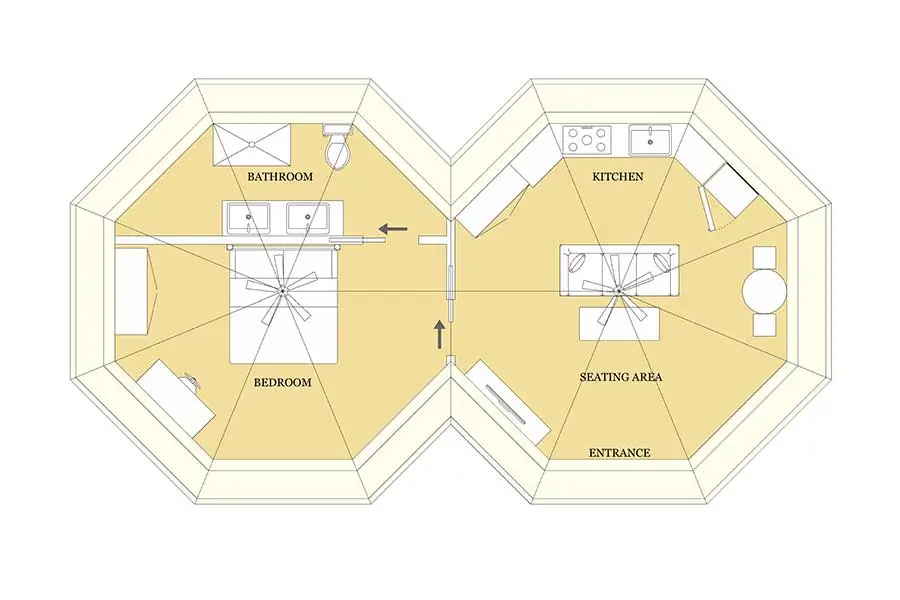
A stay that lingers long after the lights fade
Luxury Glamping
Kick back in comfort and style in our Masbambela tent, made for 2 to 4 guests. It’s got a cozy bedroom, an elegant bathroom, and a welcoming sitting area.
Private Dining
Plan a private dining moment for 6 to 10 guests with an easy, elevated setup. Think a beautifully set table and a scenic veranda that does the heavy lifting.
Small Events
Host a small gathering with space for up to 10 seated guests or 16 standing. Add chairs and tables, and let the charming veranda keep things flowing naturally.
Customizable Options
Make the tent feel like yours with upgrades that match your needs and style. Dial in the details for the setup you want, wherever you’re placing it.
Masbambela is built with specs that hold up in real conditions
Standard Features
-
Graphite screens with PVC overlays and zip-and-roll flaps use replaceable YKK zips
-
A ceiling fan/light mount is installed at each apex
-
An ecru inner ceiling liner comes paired with matching window curtains
Premium Materials
-
A 50 mm enamel-painted steel frame is reinforced with outriggers and stainless steel roof tensioning, plus aluminum rails and body poles
-
A 90%+ shade fly is stitched with Gore® Tenara® thread and paired with a 700GSM anti-fungal PVC rain fly
-
A 550GSM blockout ripstop canvas body delivers waterproof, UV-protected, anti-microbial performance
Available Upgrades
-
Frame options are available in 409 / 304 / 316 stainless steel, as well as vertical steel legs or timber beams
-
Fire-retardant, insulated canvas can be added with storm flaps
-
A high-wind upgrade strengthens the structure for extra durability
Discover how the Masbambela tent can work for your space
The Masbambela tent offers generous interior space, but knowing how to use that 60 m² effectively makes all the difference. Our complimentary consultation is designed to help you understand what’s possible before you commit. Whether you’re planning a refined guest setup, a personal escape, or a versatile structure for your property, you’ll receive clear guidance based on how you want the space to function and feel.
In your consultation, we’ll walk through:
- How the Masbambela layout can be adapted to suit your land, access points, and orientation
- Smart ways to zone the 60 m² interior for sleeping, lounging, or shared use
- Ideas to balance openness with privacy while staying connected to the outdoors
- Design considerations that support comfort across changing seasons
- Practical insights to ensure the space feels intentional, not improvised
Questions we often get asked about the Masbambela tent
Can someone visit my land before I build the Masbambela tent and also help with the setup?
When it is time to install, supervised setup is also an option. This means someone experienced can guide your team through installing one Masbambela tent properly. After that, your crew usually feels confident handling the rest.
You will need your own tools on-site, like drills, ladders, and scaffolding. A list is shared ahead of time so you can prepare.
Travel, meals, lodging, and local transport for the supervisor are covered by you. These are extra costs, but many people find it worth it, especially for larger or custom setups.
Setup days usually last 8 to 10 hours. If the land is tricky or this is your first time, guidance can help avoid mistakes and delays later.
Will the Masbambela tent be more stronger than a normal tent?
The roof frame uses thicker 50 mm steel instead of the lighter frames found in most tents. This adds strength and stability, which matters if the tent stays up long-term or sits in a tough environment. In coastal or humid areas, stainless steel can be used to help prevent corrosion over time.
The canvas is treated polyester ripstop, not cotton. This fabric is stronger, resists tearing, and does not stretch as easily. If a small rip happens, it does not keep spreading. It also holds up better against UV rays, mold, and daily wear.
Insulation can be stitched between two canvas layers. This helps keep the inside cooler or warmer and reduces outside noise. The result feels quieter and more private.
All of these parts work together to make the Masbambela tent feel solid, comfortable, and built to last.
Can the Masbambela tent be customized in size, layout, and style?
Sizes can range from small spaces, like a spa room or private retreat, all the way to large ones that are more fit for lodges, restaurants, or multi-room layouts.
If you have your own sketches or ideas, those can be used instead of a standard model. This might include open-air showers, wraparound decks, extra windows, or a roof shape that fits the landscape.
Even if you start with an existing design, details like canvas color, frame finish, door styles, window placement, and overhangs can all be adjusted. The goal is to make the Masbambela tent feel personal and well-matched to your setting.
Does the Masbambela tent need a deck or platform underneath it?
Placing the tent directly on the ground often leads to problems like moisture buildup, faster fabric wear, poor drainage, and unstable anchoring. A raised deck helps with airflow, pest control, and keeps the interior dry and clean.
Most platforms are made from wood, but floating decks or concrete foundations can also work depending on your site. The platform should extend about 1 meter, or 3 feet, beyond the tent on all sides. This extra space helps with setup, maintenance, and walkways.
Decking is not usually supplied with the tent, but help with deck planning and design is available. You can also connect with local suppliers for materials like floorboards and moisture barriers.
What should I know about foundations before installing a Masbambela tent?
If your land is sloped, near water, or hard to reach, foundation planning becomes even more important. Drainage needs to be considered so water flows away from the tent, not toward it.
A raised platform also helps the tent last longer. It reduces contact with moisture and improves air movement under the floor.
If permits are needed in your area, a well-planned foundation can make approval easier. Structural drawings are often available if your local office asks for them.
Once the foundation is done right, the rest of the build usually feels smoother and less stressful.
How does the Masbambela tent handle heat and hot climates?
This natural airflow works like insulation. Many people also add ceiling fans or small cooling systems like mini-splits or Evening Breeze units that cool the air near the bed. Some setups even use underfloor cooling for quiet and even comfort.
The outer shade layer blocks harsh sun and protects the canvas below from UV damage. This helps prevent fading and cracking over time.
With the right setup, the interior stays comfortable even in warm regions.
How does the Masbambela tent perform in wind and storms?
With a reinforced 60 mm steel frame and ring beam, the tent can withstand winds over 180 km/h or 112 mph. Anchoring and support are adjusted based on your location.
For rain, the PVC rain fly is fully waterproof. When installed with proper tension and roof pitch, water runs off easily, even during heavy storms.
A raised deck and good drainage design help keep the inside dry and clean during bad weather.
What does the ordering process look like for a Masbambela tent?
Then the design phase begins. You review drawings and request changes until everything feels right. Once approved, the design is turned into a CAD file. Production starts after a 75 percent down payment.
Manufacturing usually takes 8 to 10 weeks. About two weeks before completion, you receive the final freight quote and invoice for the remaining 25 percent plus shipping.
Payments are made by direct wire transfer only. Credit cards and PayPal are not accepted, so planning ahead helps.
Where is the Masbambela tent made and how does shipping work?
Once the tent reaches your nearest port or airport, you or your clearing agent takes over. In the US, a customs clearing company is often used and bills you directly.
Shipping costs depend on your location, number of tents, and size. Freight quotes are usually valid for 30 days.
Duties, taxes, and local import fees are handled by you and are not included in the freight estimate.
How long does it take to build and receive a Masbambela tent?
After design approval, production takes about 8 to 10 weeks. Larger or more complex projects may take longer.
Ocean freight usually takes 30 to 45 days. Air freight takes around 5 to 7 days but costs more. Some people air ship one tent first, then send the rest by sea.
From order confirmation to delivery, most projects take around 3 to 4 months.