
RELAXED MAFUNYANE TENT
The perfect setting for outdoor moments
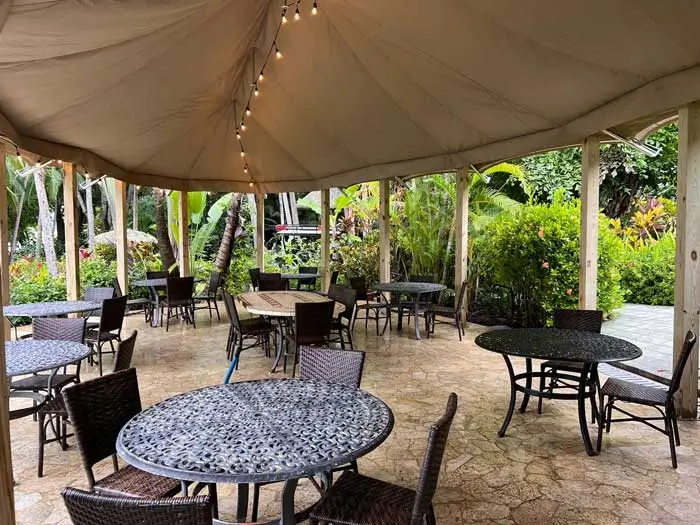
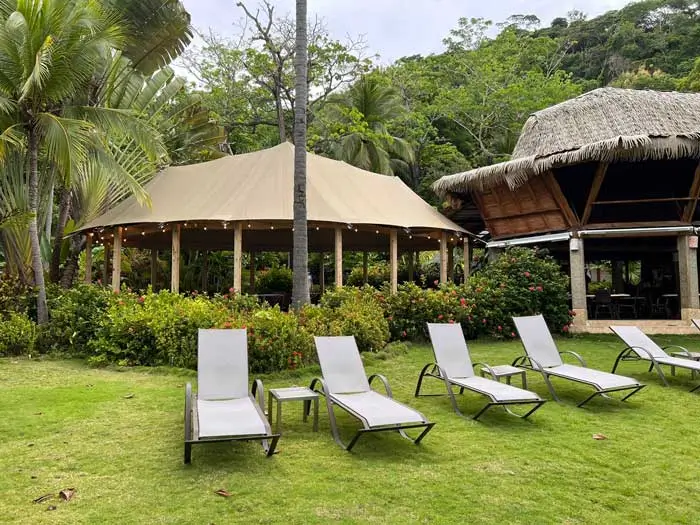
Create a welcoming space where people come together. The Mafunyane tent is built for outdoor dining, social gatherings, and relaxed get togethers in open air settings. Ideal for beach restaurants, lodges, and event spaces, it offers shade, comfort, and a natural look that blends into its surroundings.
Our tents are designed to thrive in any environment
Mountains
Tropics & Beaches
Rainy Locations
Cold Climates
Windy Areas
Plan an open air layout for easy outdoor living
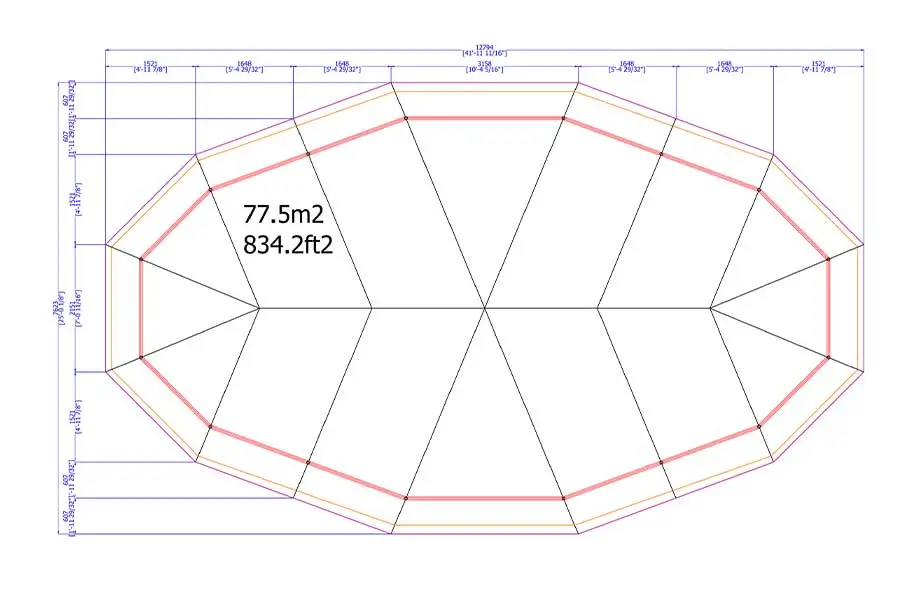
Create the perfect open-air setup with the Mafunyane tent that has 775 m² (834 ft²) of interior area. Whether you’re creating a shaded dining space, a laid-back lounge, or a welcoming area for guests to gather, our 2D floor plans make it easy to map out seating, furniture, and flow. You can also customize the tent for private use; creating a space that feels effortless, comfortable, and inviting.
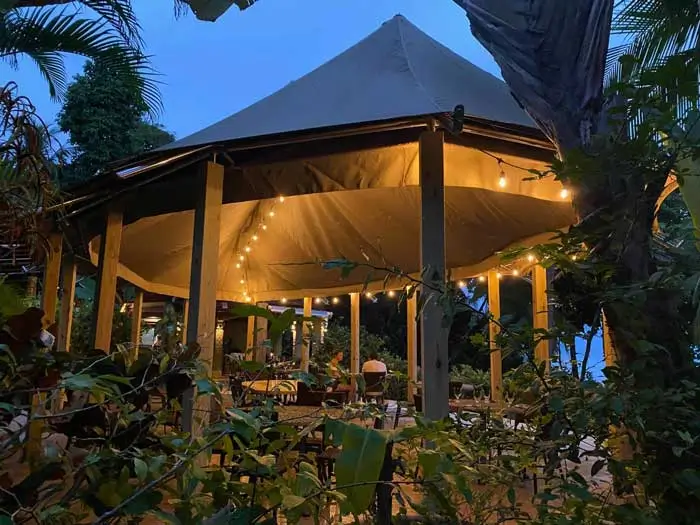
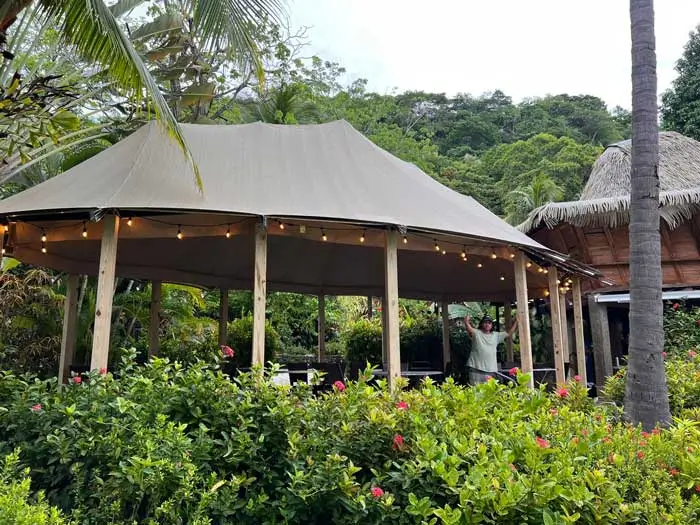
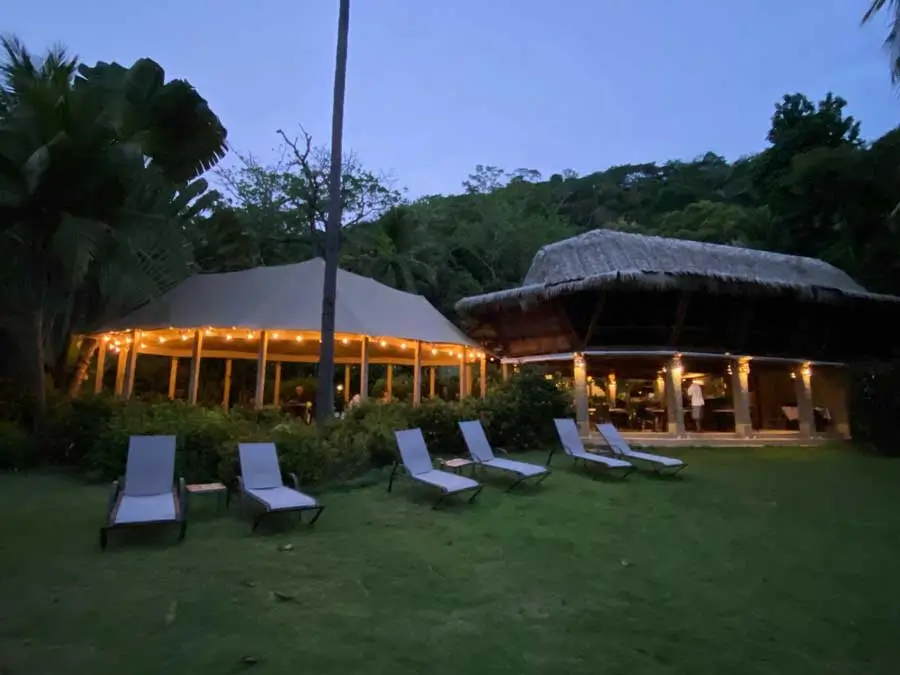
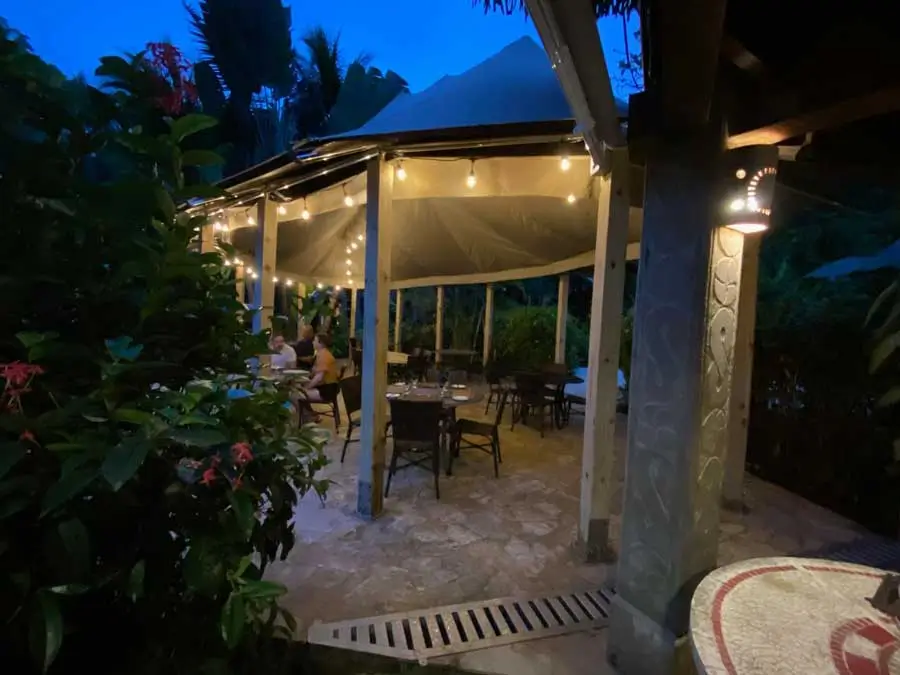
Designed for comfortable gatherings
Luxury Glamping
Kick back in comfort with our Mafunyane tent; perfect for 2–6 guests. You’ll have a cozy bedroom, a beautiful bathroom, and a relaxed sitting area to lounge in.
Private Dining
Mafunyane can be your best choice if you're planning a special meal. We’ll set you up for an unforgettable dining experience for 10–12 guests, with a scenic veranda.
Intimate Events
If you're hosting something intimate, this setup is great for up to 12 seated guests (or 20 standing), with chairs, tables, and a charming veranda included.
Customizable Options
Want to make Mafunyane to your liking? You can add your finishing touches. Pick upgrades and enhancements that fit your vibe and what you need.
Mafunyane tent specifications that fit your space and your environment
Standard Features
-
Graphite screens with PVC overlays + zip-and-roll flaps using replaceable YKK zips
-
A ceiling fan/light mount installed at each apex
-
Ecru inner ceiling liner paired with matching window curtains
Premium Materials
-
50 mm enamel-painted steel frame, reinforced with outriggers + stainless-steel roof tensioning
-
90%+ shade fly stitched with Gore® Tenara® thread, paired with a 700GSM anti-fungal PVC rain fly
-
550GSM blockout ripstop canvas body (waterproof, UV-protected, anti-microbial)
Available Upgrades
-
Frame options in 409 / 304 / 316 stainless steel, plus vertical steel legs or timber beams
-
Fire-retardant, insulated canvas add-on with storm flaps
-
High-wind upgrade for extra structural durability
Explore what the Mafunyane tent can look like on your property
The Mafunyane tent shapes how you use your outdoor space day to day. The way it’s positioned, furnished, and opened up can completely change how it feels. From sunset dinners to casual meetups by the sea, this tent turns any outdoor area into a place people want to stay longer.
Book a free consultation where we’ll look at:
- Get a no-obligation design consultation to discuss your project
- Speak to a dedicated designer about your project ideas in 2-3 business days
- You get transparent pricing information for your project, after we complete your design
- Benefit from over 40 years of crafting luxury tents for businesses worldwide
- You get a bespoke design concept, tailored to your exact needs by an expert team
Fill out the form below to book your consultation and start shaping a Mafunyane tent setup that suits your space, not just the spec sheet.
Questions we often get asked about the Mafunyane tent
Can someone come to my site before I build, and help with setup too?
Yes, both are possible. And honestly, they can make a big difference when you are setting up a Mafunyane tent. A site visit before you build helps you plan smarter. Someone can walk the land with you, check out the terrain, look at layout options, sun angles, wind direction, and how trucks or gear will access the space.
This is especially helpful if you are building on uneven ground, near protected areas, or just want to avoid surprises later on. A lot of people choose this step just for peace of mind before placing their order.
When it comes time to install, you do not have to figure it out all on your own. There is a supervised setup option available. That means someone with experience can come out to guide your team through the process, usually by helping install one Mafunyane tent model properly, so your crew can handle the rest with confidence.
You will need to have your own tools ready on site, like drills, ladders, and scaffolding. You are also responsible for covering travel, meals, local transport, and lodging for the supervisor. Supervised setup days usually run 8 to 10 hours, depending on the number of tents and the complexity of the design.
Will the Mafunyane tent last longer than regular tents?
Yes, the Mafunyane tent will be long-lasting because it is built to feel more like a real structure than a camping setup, and that comes down to the materials and how they work together.
It starts with the frame. A thicker 50 mm steel roof frame gives the tent more strength and stability compared to the standard 38 mm frames found in most tents. For humid or coastal areas, stainless steel can be used to help prevent corrosion over time.
The canvas also plays a big role. Treated polyester ripstop canvas is used instead of cotton. It is stronger, does not stretch as easily, and will not keep tearing if a small rip starts. It also resists UV damage, mold, and daily wear.
Insulation can be stitched between two canvas layers to help control temperature and reduce outside noise. Together, these details make the Mafunyane tent feel comfortable, stable, and suitable for long term use.
Can I customize the size, layout, and look of the Mafunyane tent?
Yes, customization is one of the biggest advantages of the Mafunyane tent. You are not limited to fixed sizes or layouts. You can even choose to have or skip walls altogether.
Tent sizes can range from around 130 square feet for small private spaces to over 10,000 square feet for larger uses like lodges or shared spaces. The size depends on how you plan to use it.
If you have a specific idea, you can share sketches or plans and have the tent built around them. This can include open air showers, extra windows, custom roof shapes, or decks.
Even when starting from an existing design, you can still choose canvas colors, frame finishes, window placement, door styles, and extras like verandas or overhangs. The goal is to create a Mafunyane tent that fits your space and your vision.
What should I know about foundations for a Mafunyane tent?
Foundations are not usually supplied with the tent, but help with deck design and planning is available. Floating decks, wooden platforms, and concrete slabs can all work depending on the site.
If your land is sloped, near water, or hard to access, planning the foundation early helps avoid problems later. A good foundation supports plumbing, electrical work, insulation, and long term stability.
Once the foundation is done right, everything else becomes easier, from setup to daily comfort.
How does the Mafunyane tent handle heat and wind?
In hot climates, the Mafunyane tent uses airflow and layered roofing to stay comfortable. The roof system includes a shade fly, PVC rain fly, and canvas layers that allow air to move between them.
This airflow reduces heat buildup naturally. Many people add ceiling fans or small cooling systems like mini split units or Evening Breeze systems that cool the air over the bed.
Some setups also use underfloor cooling to keep the entire tent comfortable without large HVAC systems.
For the Mafunyane tent, the wind resistance depends on the frame and anchoring used. Standard setups handle moderate winds around 46 to 53 mph.
For exposed areas, stronger frames like a 60 mm steel frame with a ring beam can be used. These setups can withstand winds over 112 mph when properly installed.
The frame, anchors, and supports are adjusted based on local wind conditions.
How does the Mafunyane tent handle rain, snow, and sun exposure?
Rain protection starts with a fully waterproof PVC rain fly. When installed with proper tension and roof pitch, the tent sheds water well, even during heavy storms.
A raised deck and good drainage design also help keep the interior dry. Correct fabric positioning and installation are important for long term performance in wet conditions.
In snowy regions, stronger frames, steeper roof angles, and extra reinforcement are used to handle snow load. Snow is heavy and needs proper planning.
For sun exposure, the outer shade fly blocks harsh sunlight and protects the canvas below. This helps prevent fading and long term damage in high sun areas.
What is the ordering process and payments for a Mafunyane tent?
Once the design and features are finalized, you receive an initial invoice and freight estimate. Then the design phase begins with drawings for review and approval.
After approval, the design is turned into a CAD file and production starts once a 75 percent down payment is received. Manufacturing usually takes 8 to 10 weeks.
Payments are made by direct wire transfer. Credit cards, PayPal, and certified checks are not accepted.
About two weeks before production finishes, you receive a final freight quote and a second invoice for the remaining 25% plus shipping. Paying freight early can help lock in rates.
How secure is the Mafunyane tent?
Security for a Mafunyane tent really depends on how and where you plan to use it. The structure itself is strong, but like any tent style setup, security comes from the features you choose and how the space is designed.
Lockable doors can be included, which helps control who can enter and gives a level of privacy similar to a small cabin. This is often enough for personal use or guest stays in quieter locations.
For more remote sites or places that are left unattended for periods of time, extra steps can help. Many people add motion activated lights around the outside of the tent.
These lights can discourage unwanted access and also make the area feel safer at night. Small outdoor cameras or simple alarm systems are sometimes used as well, mainly for awareness rather than full time monitoring.
Placement plays a big role too. Setting the tent in an open, visible area with clear sightlines and good lighting naturally reduces risk. You can add other security options for everyday use.
Where is the Mafunyane tent made and how does shipping work?
Mafunyane tents are manufactured in South Africa. Once production is complete, they are shipped internationally to clients around the world. Ocean freight typically leaves from the port of Durban, while air freight is handled through Johannesburg. The shipping method you choose affects both delivery time and cost.
Shipping costs vary based on your location, how many tents you are ordering, and the size of each tent. Freight pricing is calculated once those details are confirmed. The freight cost covers transport to your nearest port or airport. From there, the shipment is cleared through customs and collected or delivered locally.
Duties, taxes, and import fees are not included in the freight estimate, since these costs depend on local regulations and are handled separately. Planning for these steps ahead of time helps make the delivery process smoother once the tent arrives in your country.
How long does it take to build and deliver a Mafunyane tent?
After the design is approved, production of a Mafunyane tent usually takes about 8 to 10 weeks. This timeline can vary slightly depending on the size of the tent and any custom features included, but it is a good general guideline for most orders.
Once production is finished, shipping time depends on how the tent is transported. Ocean freight typically takes around 30 to 45 days to reach its destination.
Air freight is much faster, usually about 5 to 7 days, but it comes at a higher cost. Some people choose a mix, shipping one tent by air for early setup and the rest by sea.
From order confirmation to final delivery, most projects take about 3 to 4 months. Planning early is helpful, especially if the tent is needed for a specific season or opening date.