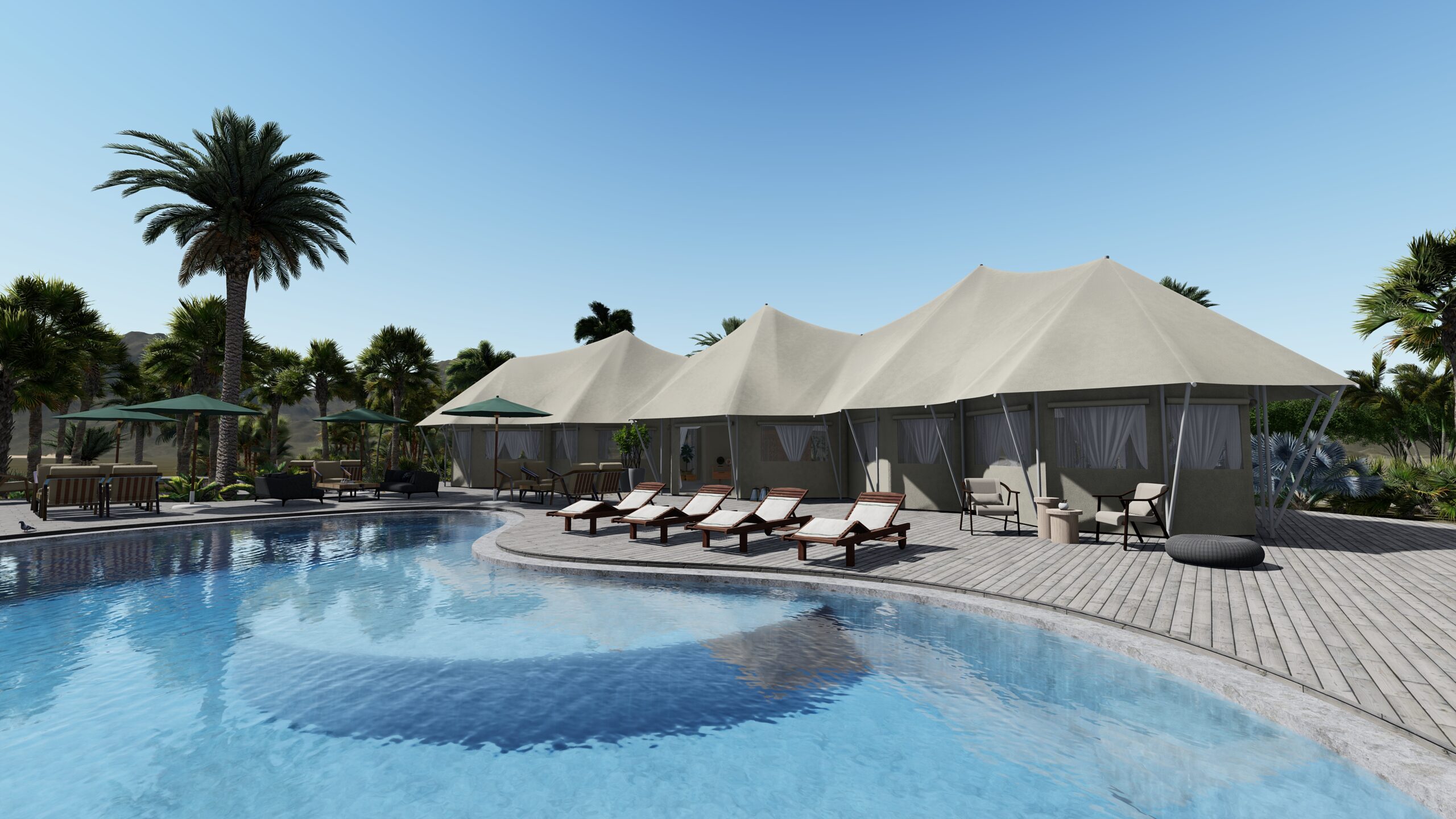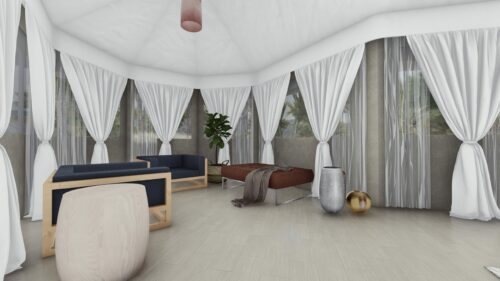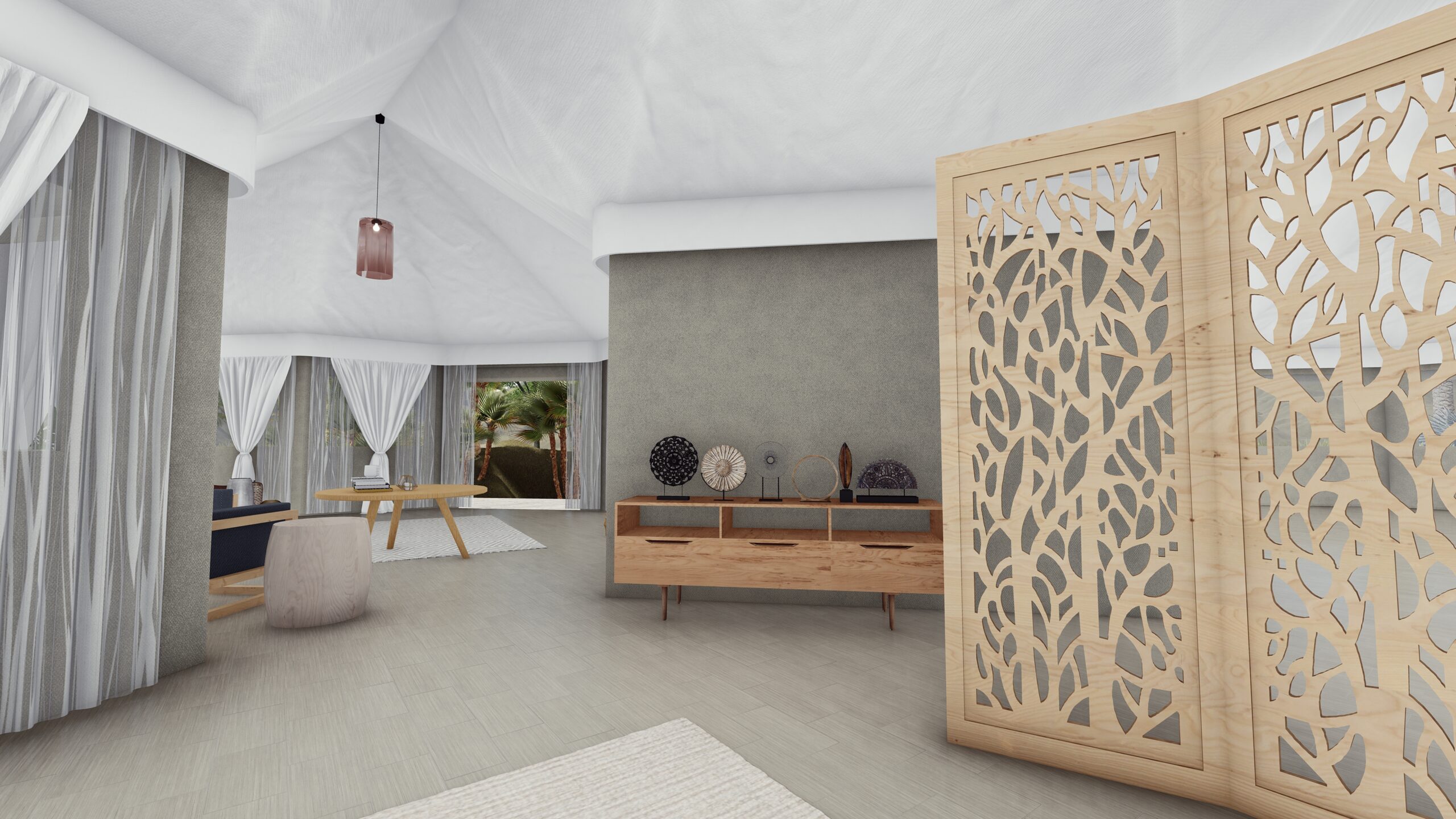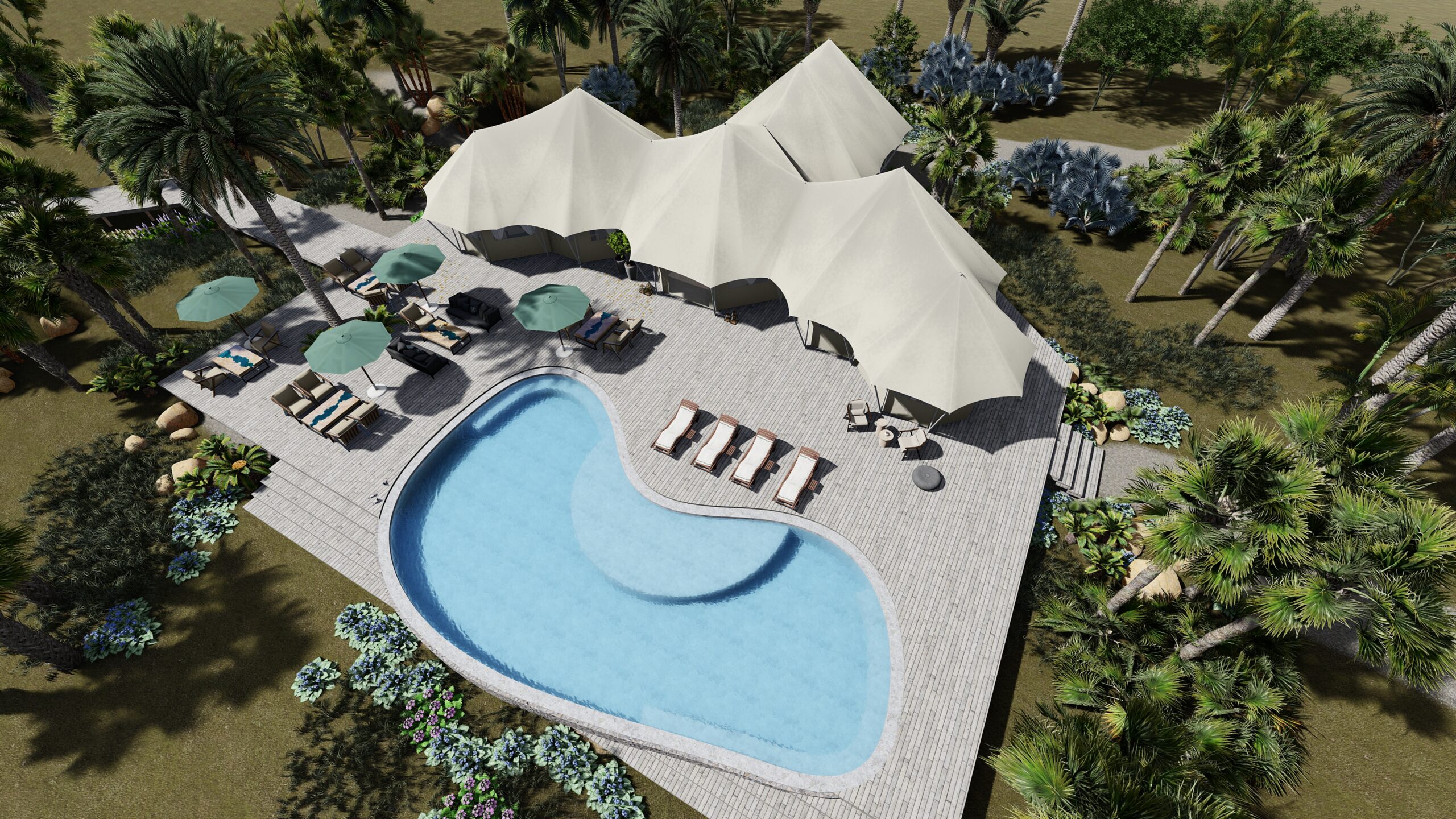
Travelers want the beauty of the outdoors without giving up comfort. Our luxurious Ahmed tent creates a beautiful, comfortable space that blends nature with upscale accommodation, helping your resort increase bookings without building traditional rooms.
You might already have a spot in mind, but it can be hard to picture how an Ahmed tent will actually feel once it’s up. This design check helps you turn your idea into something that looks right and works right. After you submit the form, we’ll review your goals and suggest a setup that fits your vibe, whether it’s a private retreat, a guest space, or a standout feature on your property.
Fill the form to get clear guidance on styling, layout flow, and comfort, plus what to avoid so you do not waste time.
Yes, it can save you from problems you don’t see at first. Luxury glamping tents feel simple on paper, but land can be tricky. A walk-through helps you spot uneven ground, soft soil, and drainage issues before anything gets built.
Supervised setup means you still use your own crew, but you get guidance during the install. With luxury glamping tents, one good install can teach your team how to repeat the same process on the next tents.
You should plan to have your own tools ready on-site, like drills, ladders, and scaffolding. A tool list is normally shared ahead of time, so you can get everything lined up.
You also cover the supervisor’s travel, meals, local transport, and lodging. That cost is separate, but it can be helpful if your land is uneven, your weather is rough, or your team has never built a tent like this before.
Most supervised days run about 8 to 10 hours. The time depends on how many tents you’re putting up and how complex your design is.
Luxury glamping tents are built to feel like a real structure, not a weekend tent. A lot of that comes from the frame. A thicker 50 mm steel roof frame gives more stability than the common 38 mm frames used in many standard tents.
If your site is humid or near the ocean, stainless steel can also be used. That helps reduce corrosion over time, which matters if the tent will stay up for years.
The fabric plays a big role too. Treated polyester ripstop canvas is used instead of cotton. It’s stronger, holds shape better, and is less likely to stretch out. Ripstop also helps stop small tears from spreading.
For comfort, insulation can be stitched between canvas layers. That can help with temperature and also reduce outside noise.
Long-term use is mostly about choosing materials that can take daily wear. The steel frame gives structure and helps the tent stay tight and stable in changing weather. A thicker 50 mm roof frame is one reason luxury glamping tents feel more permanent.
Canvas choice matters just as much. Treated polyester ripstop canvas is made to handle sun, moisture, and general wear. It’s also built to resist UV damage and mold, which helps it last longer in harsh climates.
Ripstop fabric has a simple benefit. If something catches the canvas and makes a small tear, the weave helps stop it from growing into a big rip.
For extra comfort, insulation can be added between two canvas layers. That can help the inside feel more quiet and steady, especially during hot days and cooler nights.
Very custom. Luxury glamping tents aren’t limited to one size or one layout. They can be designed around what you want the space to do, and what your site can support.
Sizes can start around 130 square feet for a small retreat space or spa room. They can also go beyond 10,000 square feet for bigger builds like a lodge, restaurant, or multi-room suite.
If you have a sketch, a rough floor plan, or even just a list of needs, that can be used to build the design. People often adjust window placement for views, add an outdoor shower, or plan a wraparound deck.
Even starting from an existing layout, you can still personalize the look with canvas color, frame finish, door styles, and added features like overhangs or a veranda.
Start with what the space is for. A personal retreat, a guest stay, and a spa room all need different room shapes and storage space. Luxury glamping tents can be made in a wide size range, so purpose helps narrow it fast.
Next, look at the site. A flat open area gives you more options. A narrow ridge, trees, or rocky ground can limit size and shape. It also helps to think about how people will move around the tent. Walkways, stairs, and outdoor seating take space too.
If you want a bathroom, a kitchen area, or extra rooms, that pushes the size up. If you want a simple sleeping space with a small lounge area, you may not need as much square footage.
Maps, photos, and rough sketches help make sizing feel less like guessing and more like planning.
Yes. A stable, level platform is one of the biggest parts of a good luxury glamping tent setup. These tents are meant to sit on a raised wooden deck or a concrete slab, not directly on the ground.
A platform helps keep the structure secure and protects the canvas. It also gives space underneath for plumbing, electrical, and insulation if you plan to add those later.
Putting the tent right on the ground often leads to moisture problems, faster fabric wear, and messy drainage. A raised deck helps airflow under the tent, supports pest control, and helps keep the interior cleaner.
Wood platforms are common, but floating decks and concrete can work too. The main goal is strong, level, and built for your site conditions.
It helps to plan for more than just the tent footprint. A good rule is to extend the platform at least 1 meter, about 3 feet, beyond the tent on all sides. That extra space makes installation easier and gives you room for upkeep.
It also helps with comfort. That border space can turn into walkways, steps, small seating areas, or a place to store firewood and gear. If you plan a veranda or an outdoor shower, you’ll be glad you built bigger from the start.
If your site is sloped, sandy, or near water, platform planning matters even more. The deck needs to stay level and stable over time.
Decking isn’t usually supplied with the tent itself, but planning help can be available. Local suppliers can often provide floorboards, substructure parts, and moisture barriers.
Rain isn’t a deal breaker for luxury glamping tents, but installation matters. The PVC rain fly is fully waterproof. When the roof pitch and fabric tension are set correctly, water sheds off instead of pooling.
A raised platform helps keep water away from the base. Good drainage planning around the deck is also important. You want water to flow away from the tent area, not collect under it.
Fabric tension is a big part of staying dry. Loose fabric can sag and hold water, which can cause leaks or stress points. Proper setup keeps the structure tight and helps it perform better during storms.
If your area gets heavy rain often, planning the platform height and drainage early makes the whole setup more reliable.
After you finalize your design and features, you get an initial invoice and a freight estimate. Then the design phase starts, where you receive drawings to review, revise, and approve. Once approved, the design becomes a CAD file, and production begins after a 75% down payment.
Manufacturing usually takes about 8 to 10 weeks. Around two weeks before production ends, you receive the final freight quote and another invoice for the remaining 25% plus shipping. After that’s paid, you get an estimated shipping date and the tent is packed for delivery.
Payments are done by direct wire transfer. Credit cards, PayPal, and certified checks aren’t accepted, so planning ahead helps.
The steps feel detailed, but they exist to reduce mistakes and make sure the final tent matches what you approved.